









LOGO
Contact

Built AI-powered Label Inspection System to Reduced Print Defects

SHALIGRAM's AI-powered automated label inspection system reliably detects printing problems, even in the most challenging visual environments.
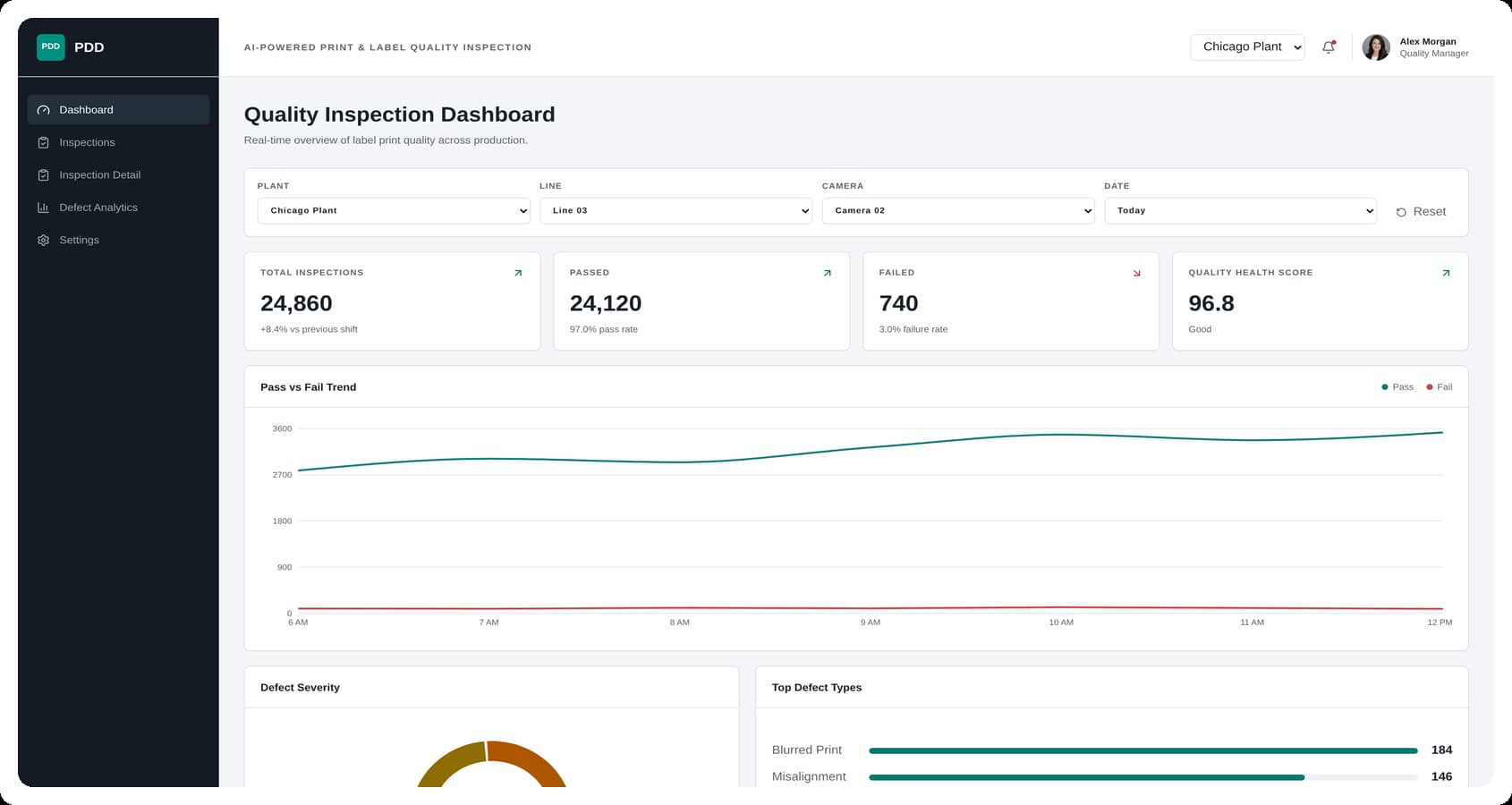
Print label defect detection with AI software

Client profile

The client is a U.S.-based label and printing company that serves businesses with custom-engineered, high-volume printed labels and fast-turnaround, reliable production.   

Industry type

Label and printing business

Employees

150–200

Country

USA

Project overview

As one of the top label-designing and printing companies, the client had to manage large-scale production. Their manual verification methods could not handle print defects or meet compliance standards at production-line speeds.  The client wanted an automated label inspection system capable of delivering full coverage with stability and accuracy across the entire production run. 

SHALIGRAM suggested and implemented an AI-powered label inspection solution that uses computer vision and automated image analysis to identify defective labels during production and provide quality labels with actionable inspection results. The system compares printed labels against approved reference designs and predefined quality parameters to identify visual and content-related deviations.  

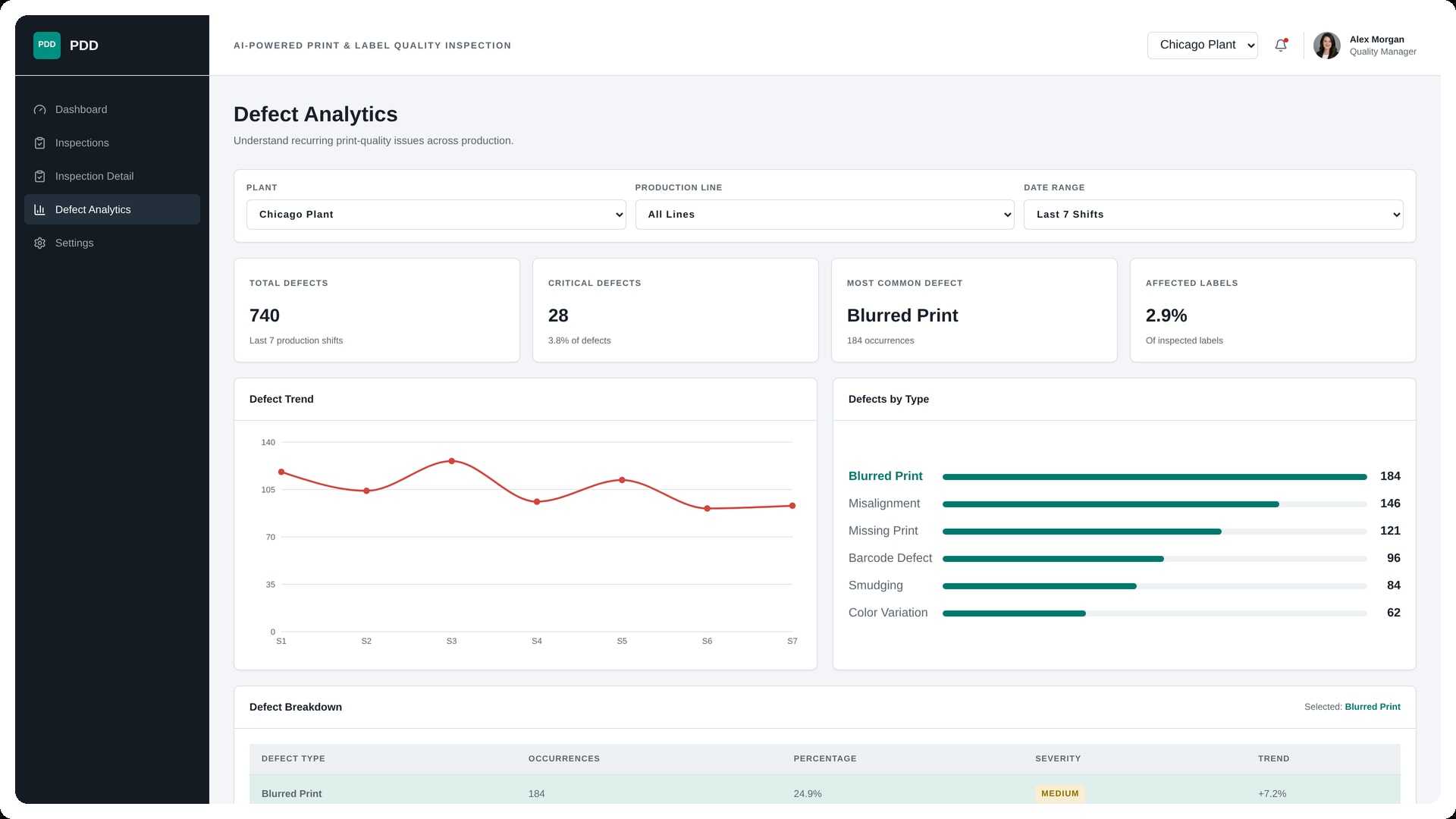
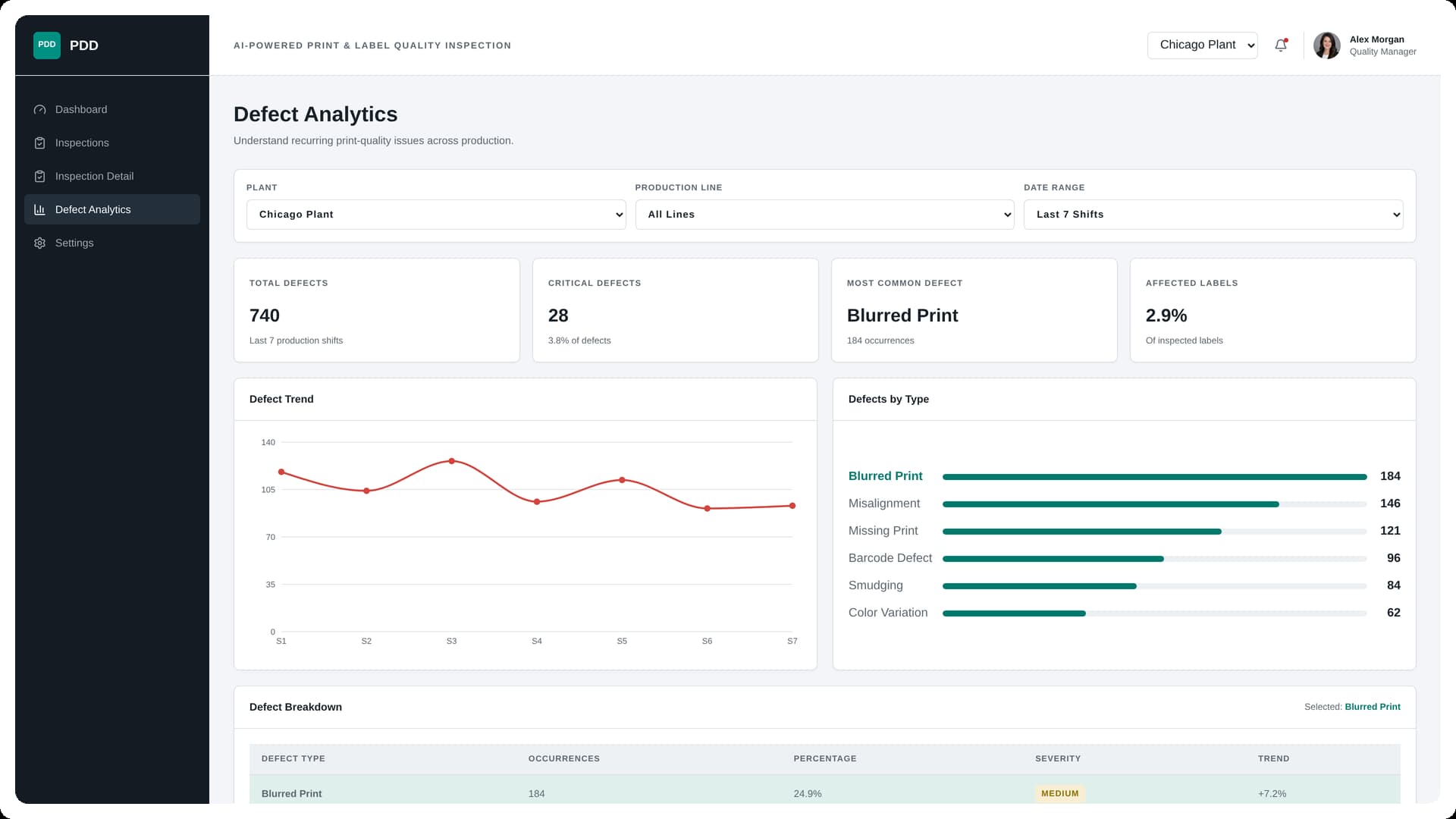
Our AI-powered defect detection system comes with a centralized quality dashboard where production and quality teams can monitor inspection results, identify defect types, review inspection images, and understand quality trends across production lines. This gives the client control and visibility into production quality while helping operators respond to defects at the production stage. 

Challenges the client faced 

Manual label inspection was time-consuming and inconsistent for the client, especially at high production speeds. The client experienced untracked printing defects, smudged text, alignment errors, and damaged barcodes or QR codes due to a heavy production load. Varied designs and formats for further complicated quality checks. Limited defect tracking increased the risk of rework, waste, delays, and customer dissatisfaction. 

  • High-volume manual inspection 
  • Small and difficult-to-detect print defects 
  • Multiple label designs and specifications 
  • Barcode and QR-code quality 
  • Limited visibility into recurring defects 
  • Risk of defective labels reaching customers 

Our solution

We implemented an AI-powered visual inspection system that could check labels for missing print, blurred text, smudging, misalignment, color and content inconsistencies, text alignment issues, and barcode quality, and more. Our system is an advanced, self-learning inspection model integrated with track-and-trace systems that make label inspection smarter and enable more connected manufacturing operations.  
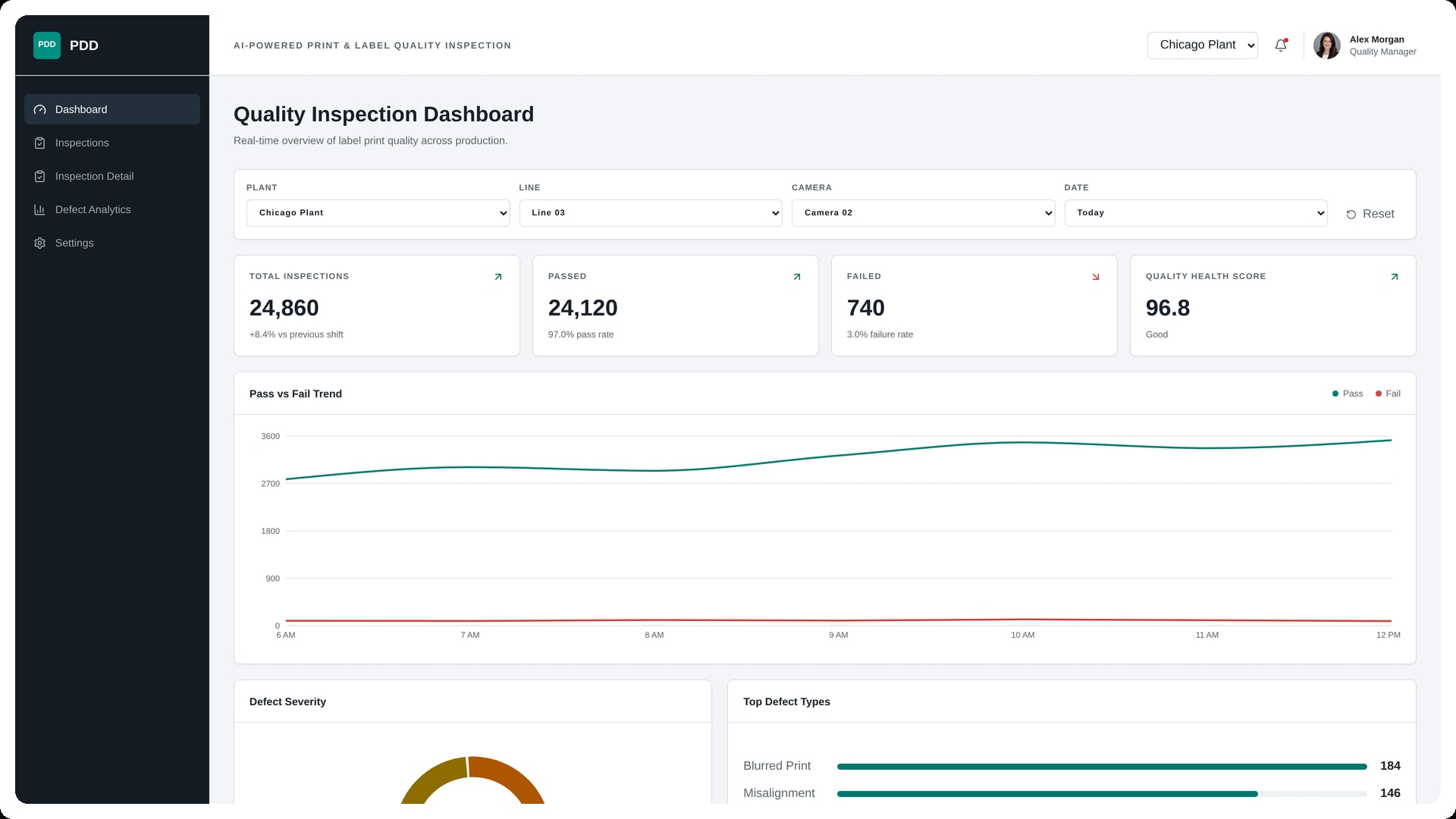
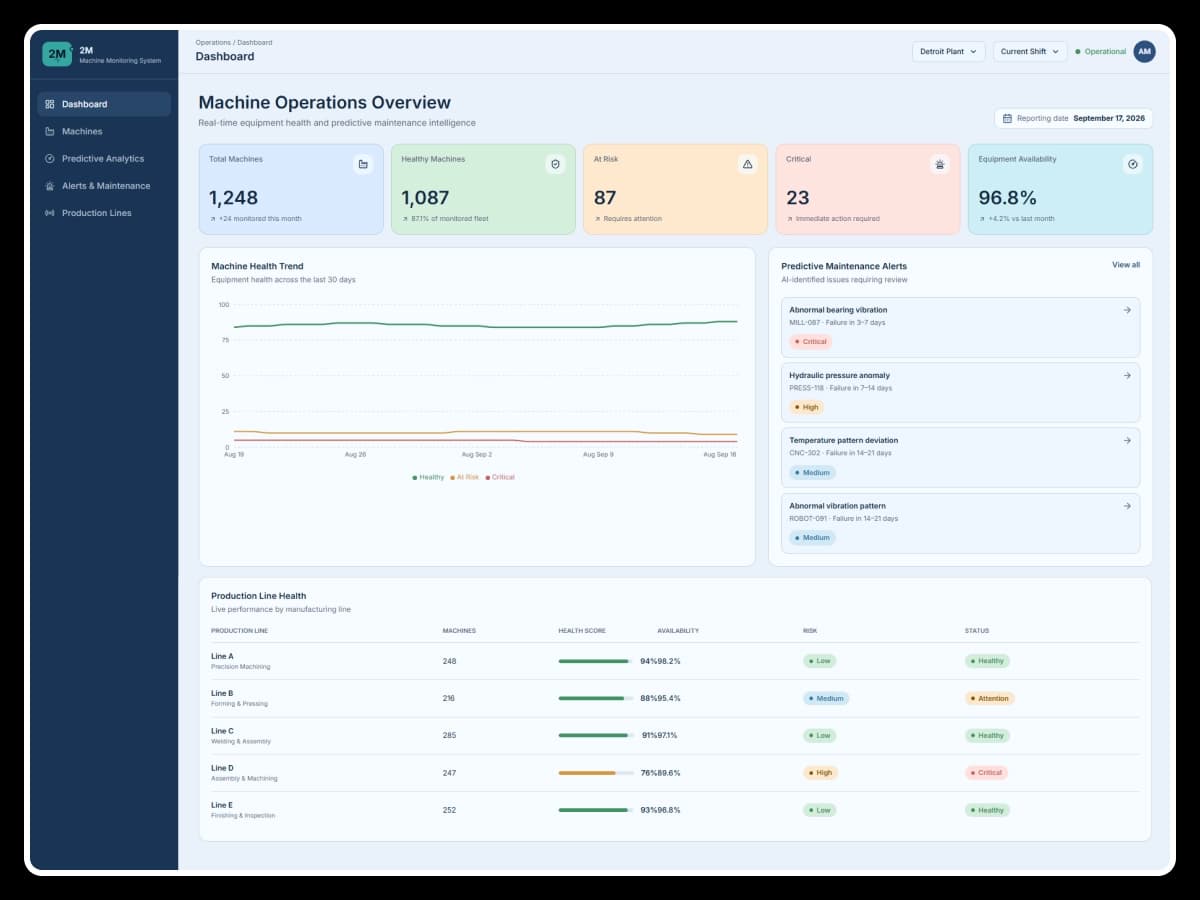
Print label defect detection AI software dashboard
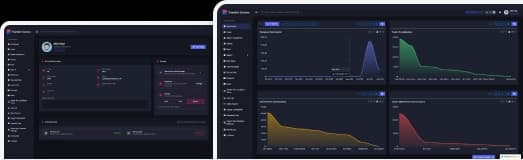
Print label defect detection AI software defect analytics
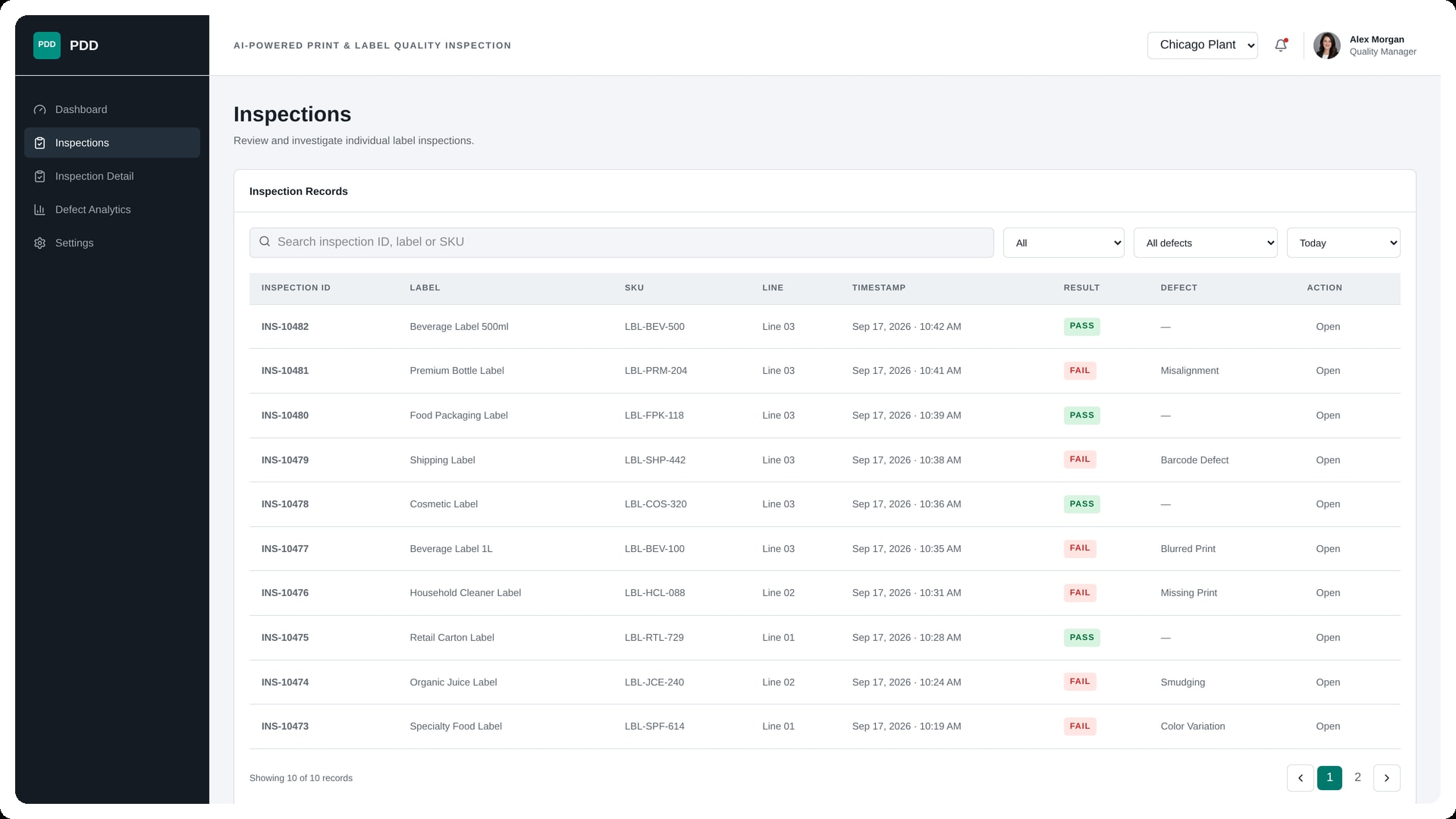
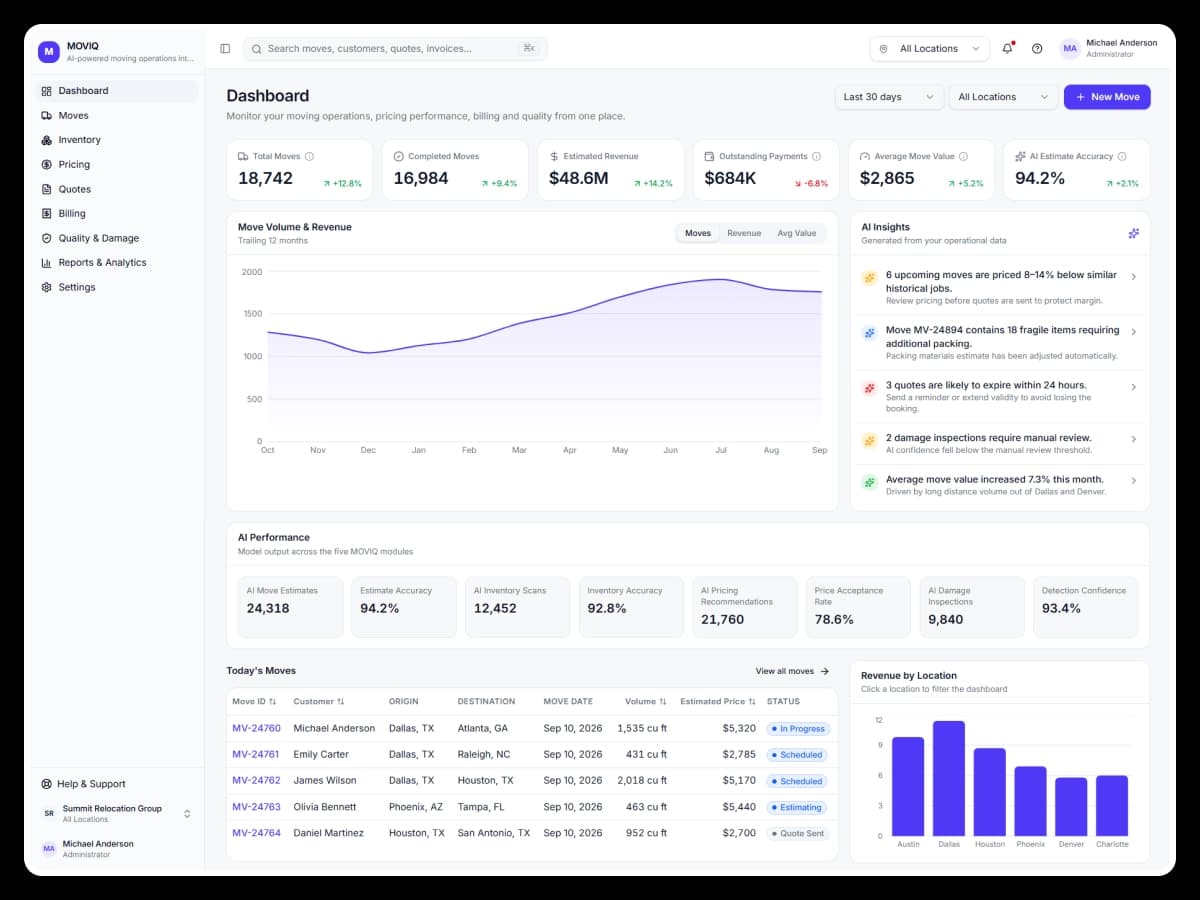
Print label defect detection AI software inspection
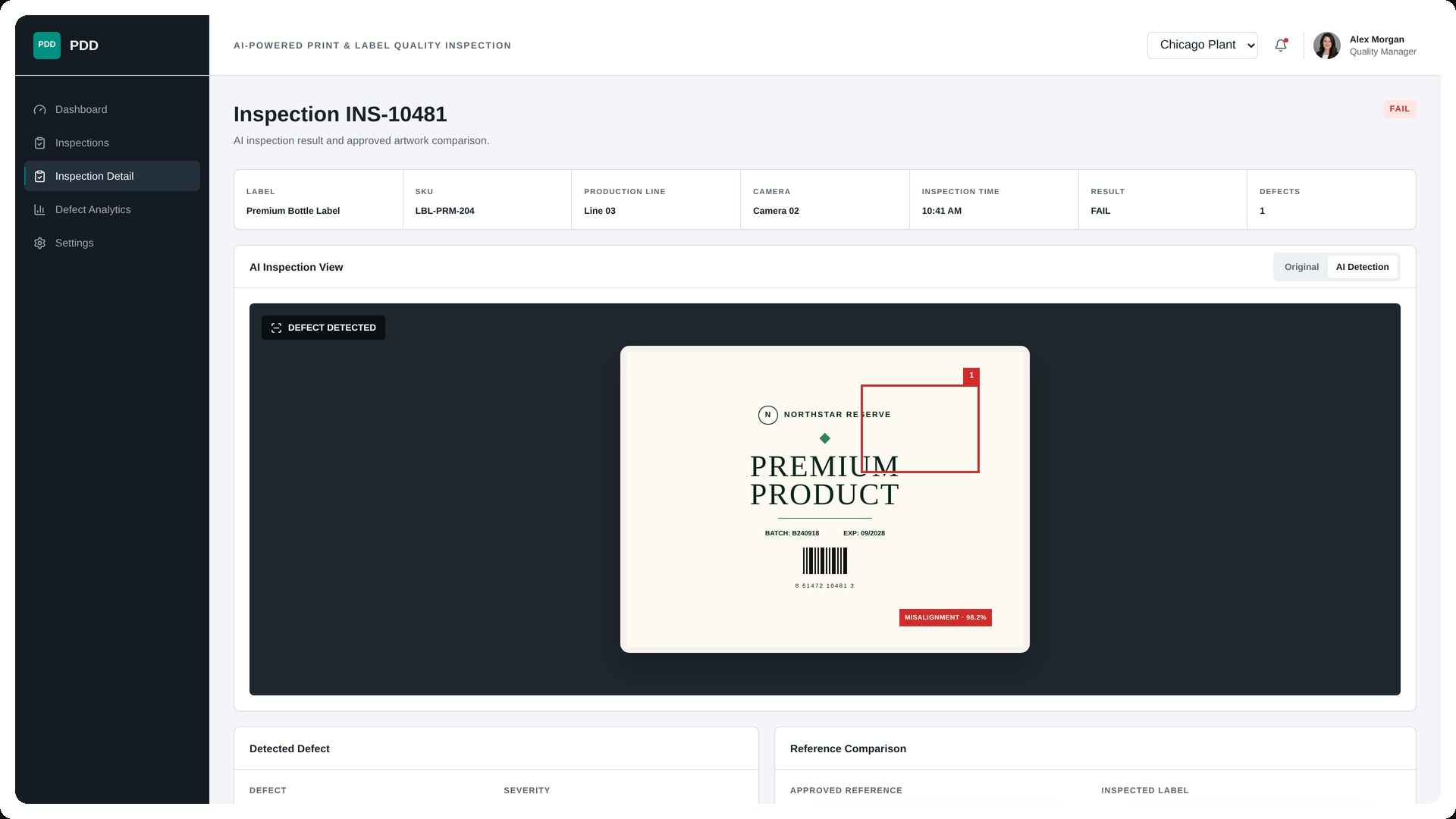
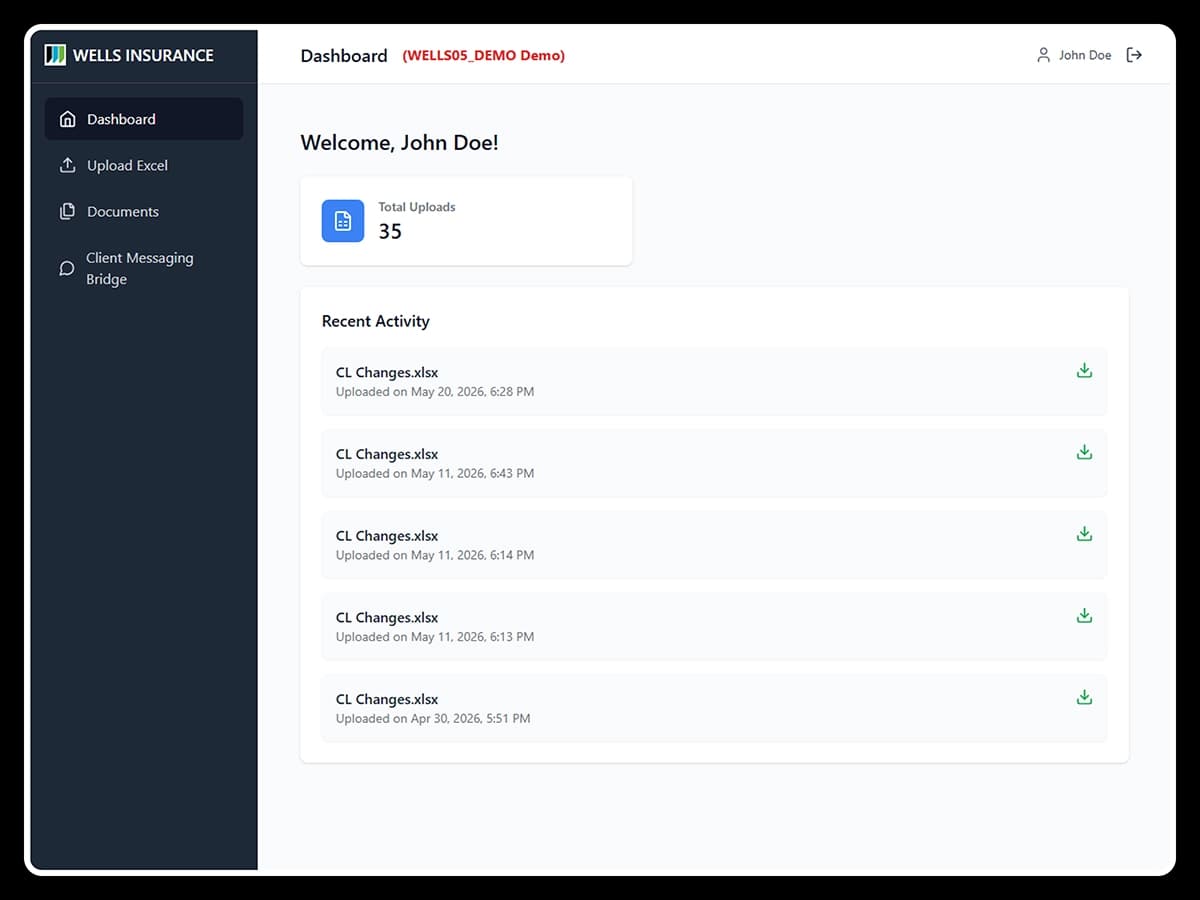
Print label defect detection AI software inspection details
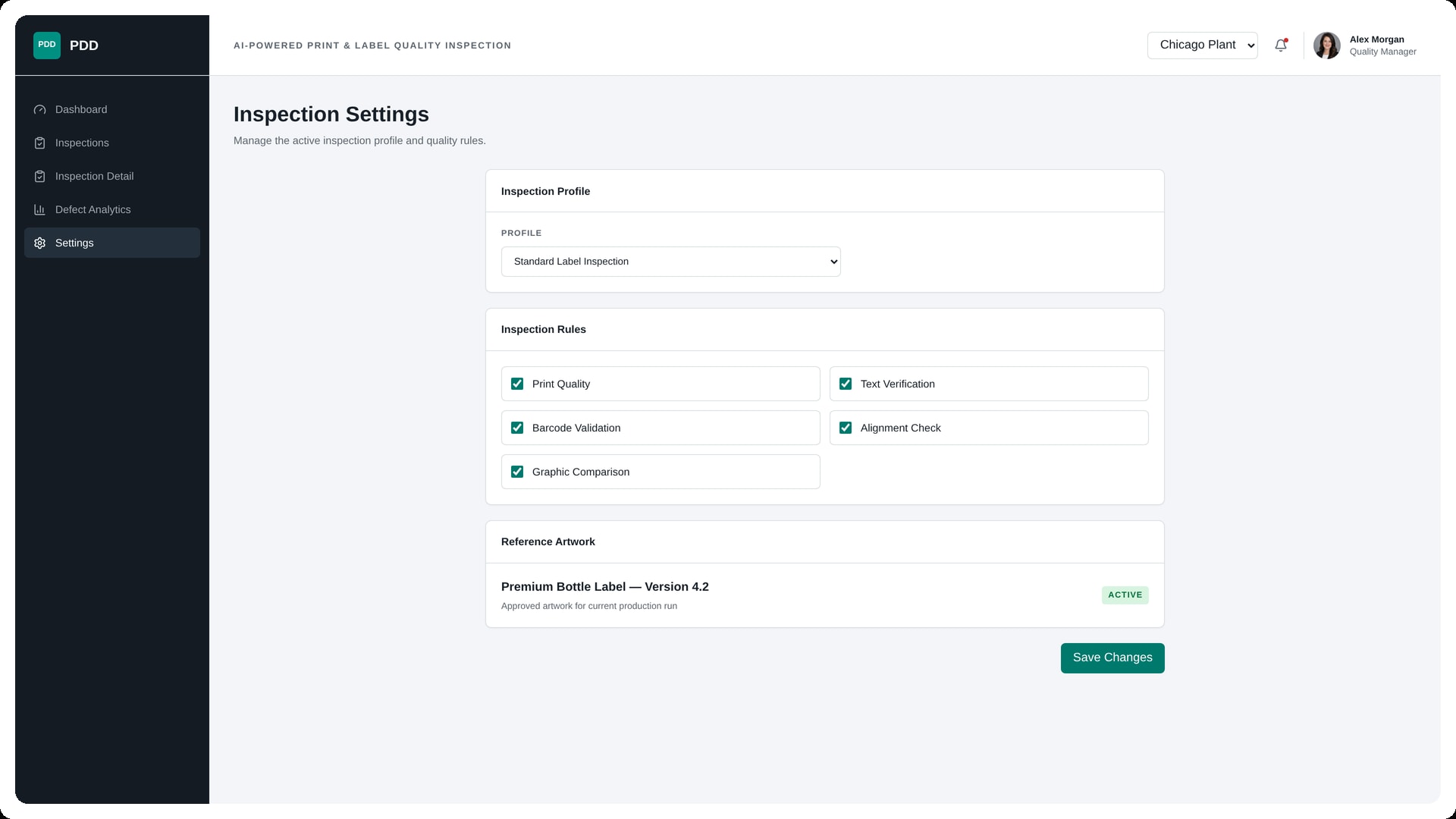
Print label defect detection AI software settings

AI-powered automated label inspection

Our visual inspection system identifies print and labeling defects during production. The system captures images of labels using industrial cameras and analyzes them against approved reference artwork and predefined inspection criteria.

Automated defect detection

The AI-powered inspection system identifies multiple categories of defects, including missing or incomplete print, blurred or unclear text, smudging and ink spread, print alignment and registration errors, graphic and logo inconsistencies, color and print-quality variations, damaged or unreadable barcodes or QR codes, missing label elements, and other deviations from approved label designs.

AI-based content verification

Computer vision and OCR capabilities help verify printed text and identify missing, unclear, or inconsistent characters and information.

Barcode and QR-code validation

The system analyzes machine-readable codes to identify damaged, incomplete, distorted, or unreadable barcodes and QR codes.

Pass/Fail inspection

Each inspected label receives an automated quality decision based on the configured inspection criteria, helping operators quickly identify labels that require attention.

Quality monitoring dashboard

Our system has a centralized dashboard that provides production and quality teams complete visibility into the entire inspection process, covering, passed and failed labels, quality health score, defect severity, types and location, and more. This helps the team to analyze broader production-quality patterns.

High-quality standards, speciality finish and fast to market

More consistent quality inspection

Automated visual inspection standardized quality checks across production runs, reducing reliance on continuous manual inspection and creating more consistent inspection criteria.

Earlier defect identification

The system identified print and labeling defects during production, allowing operators to investigate issues earlier and reduce the risk of producing larger quantities of defective labels.

Reduced inspection effort

Automatic visual checks reduced manual inspection, allowing the production team to focus more on analysis, root-cause investigation, and quality improvement activities.

Better production visibility

A unified dashboard provided total visibility into inspection volumes, pass/fail trends, defect categories, severity, and recurring quality issues across production.

Improved barcode and print verification

Automated inspection identified defective barcodes, QR codes, missing print, blurred text, alignment issues, and other print-quality defects before labels moved into production.

Data-driven quality improvement

Digital inspection records enabled production teams to identify recurring defect patterns, monitor quality trends, and gain visibility for future improvements.

Scalable quality control

The solution established a foundation to expand real-time, automated quality inspection across additional production lines, label formats, and other detection requirements without adding human resources.