















A Biometric Enrollment Platform Built for Zero Duplicate Identity
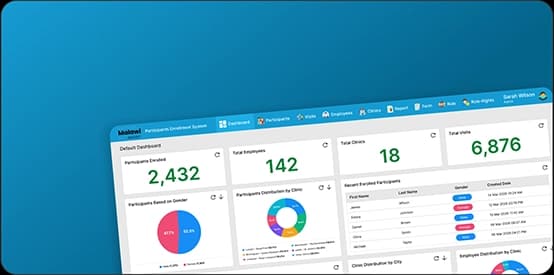
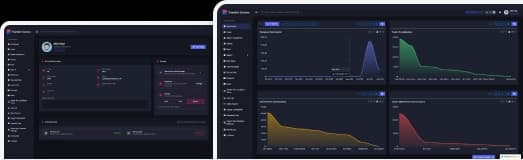
Delivered a biometric clinical trial enrollment platform using fingerprint de-duplication, role-based access, and real time Power BI dashboards for UNC's Malawi research hub.
Client profile
UNC School of Medicine operates a major international clinical research hub in Malawi, processing over 5,000 patient enrolments monthly across numerous active clinical trials and studies.
Healthcare/Education
5,466+
 USA
USA
Project overview
UNC’s Malawi research hub operates without access to formal national ID infrastructure. This absence created a serious data integrity risk across every active clinical trial.
Patients were being enrolled multiple times, sometimes across different studies, sometimes across repeat visits to the same one. The consequences extended beyond inconvenience: compromised research data, duplicate compensation payments, and compliance gaps with international research sponsors. Manual tracking had already proven error-prone, and off-the-shelf tools tried previously were too rigid for this environment. UNC needed a purpose-built system capable of working reliably at scale, across multiple stakeholder types, in a genuinely low-infrastructure setting. SHALIGRAM was brought in to architect that system from the ground up.
The result was a full biometric screening platform built specifically for this context. It now anchors data integrity across UNC’s international research operations.
Technical challenges
In the absence of national identification infrastructure, UNC faced a data integrity challenge with direct financial and scientific implications. Any proposed solution required proven capability at clinical scale.
- Patients lacked standardized national IDs, passports, or driver’s licenses to verify identity reliably.
- Duplicate enrolments across studies and visits compromised the validity of active clinical trial data.
- Duplicate compensation payments were being issued to the same patients repeatedly and unknowingly.
- Manual visit tracking was inherently error-prone and could not scale to 5,000 monthly patients.
- Previously tried off-the-shelf tools proved too rigid and unreliable for this specific research context.
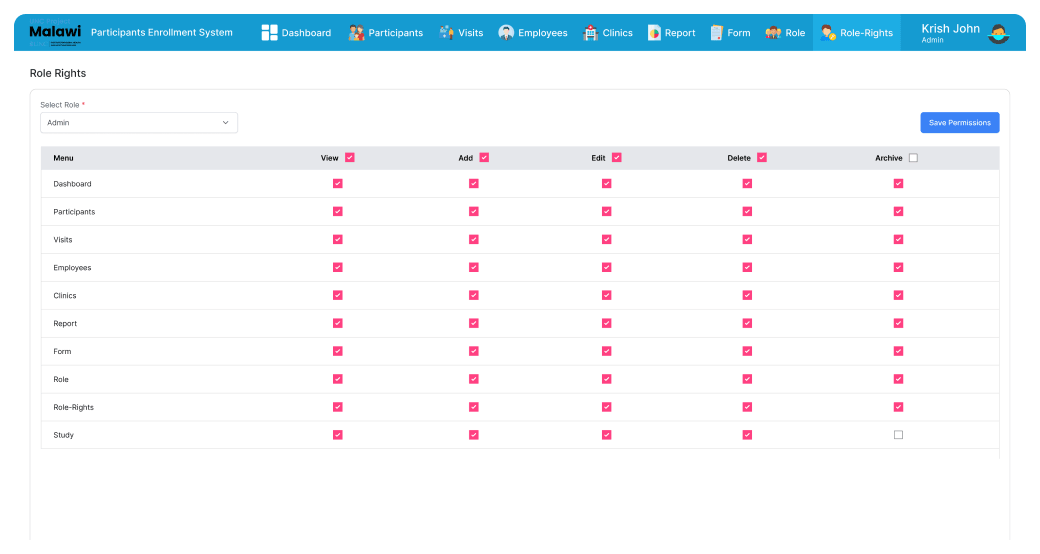
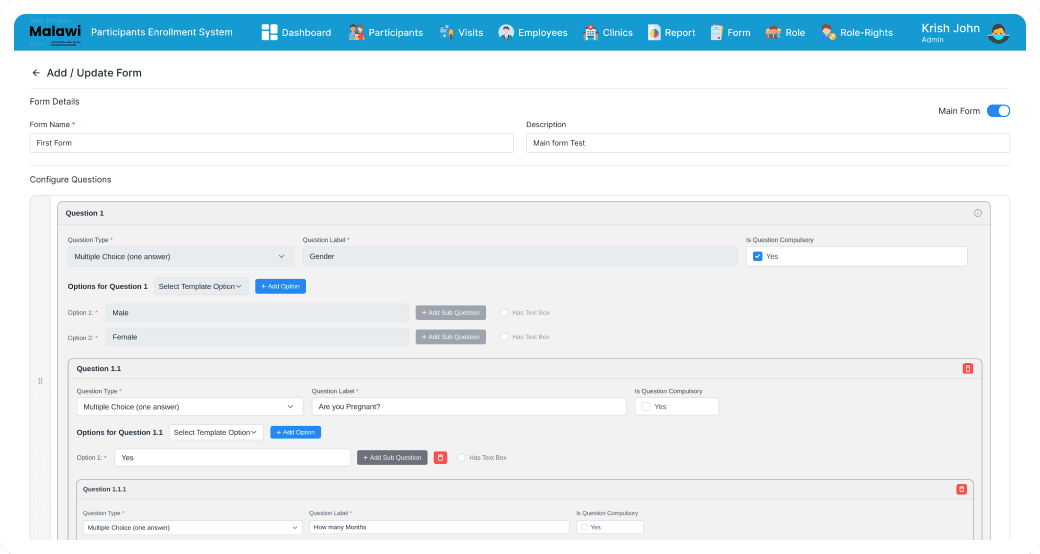
- The platform needed distinct access levels for screeners, auditors, data managers, and super admins.
Our solution
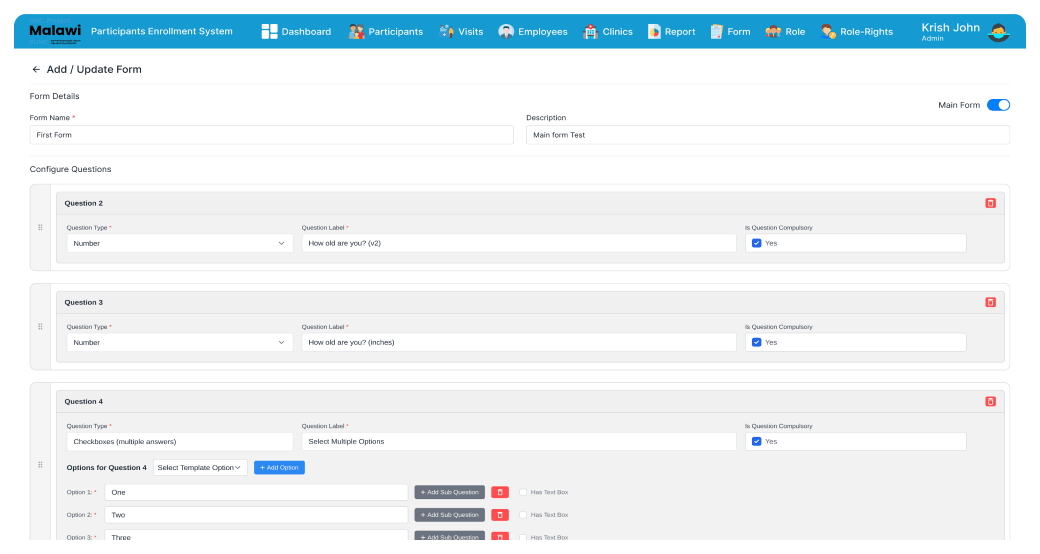
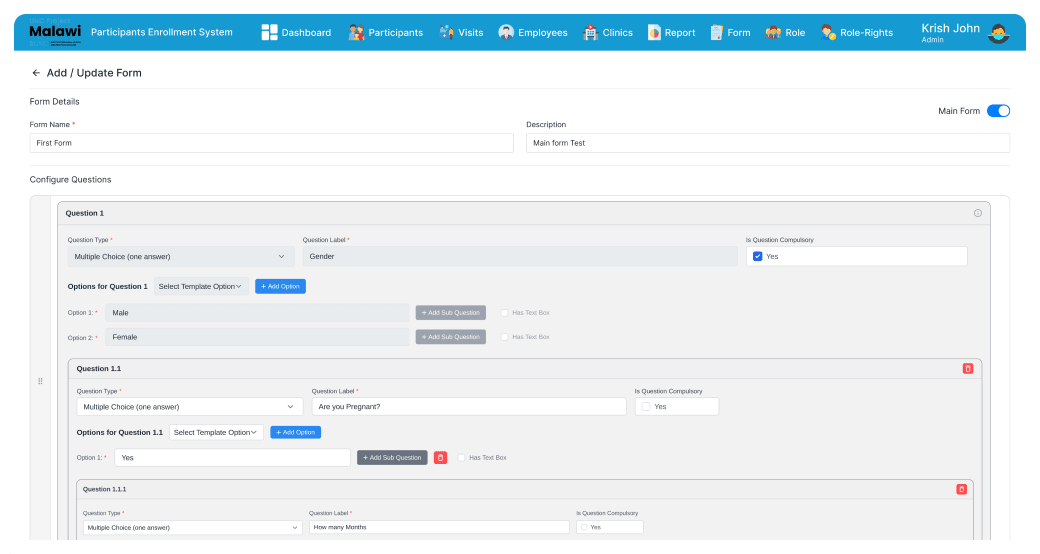
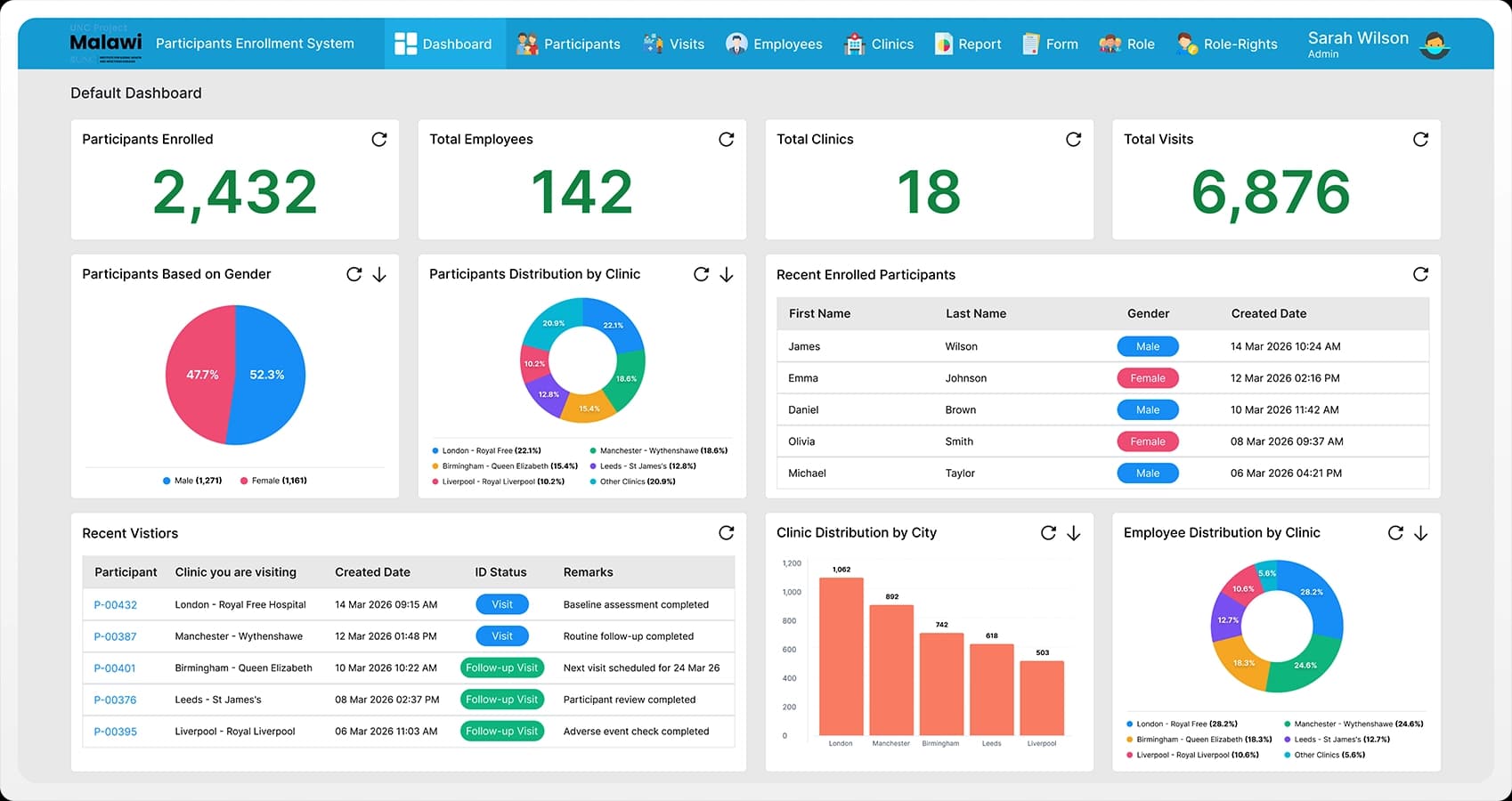
SHALIGRAM architected a full biometric screening platform built on .NET Core, Angular, SQL Server, and Power BI. Every component was designed around UNC’s actual research operations.